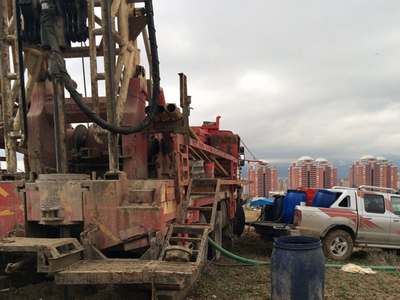


Durpom Bursa Water Well Drilling and Groundwater Services
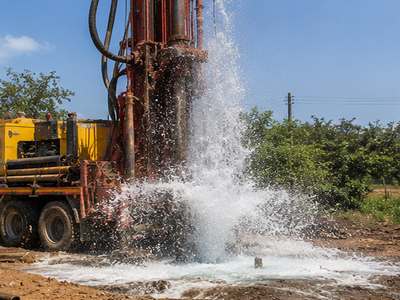
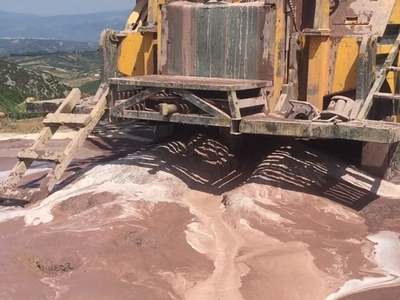
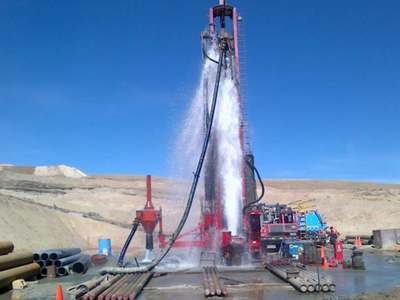

Water Well Drilling and Groundwater Services in Bursa
Finding a suitable groundwater source requires careful planning, appropriate drilling equipment and an understanding of the conditions beneath the ground. DURPOM Drilling provides professional water well drilling and groundwater-related services throughout Bursa and its surrounding districts.
We work with agricultural landowners, businesses, commercial properties and private landowners who require access to groundwater for irrigation or other suitable uses. Each drilling project is assessed according to the characteristics of the property, accessibility of the site, intended water use and expected drilling conditions.
Rather than applying the same method to every location, we develop the drilling approach according to the specific circumstances of each site. This allows the work to be organized more efficiently while taking practical and technical conditions into account.
Professional Water Well Drilling in Bursa
A water well is a long-term infrastructure investment, so the planning and construction process should be approached carefully. The location of the drilling point, expected geological conditions, required depth, casing requirements and intended use of the well can all influence the project.
Before drilling begins, we evaluate the available information about the property and the working area. Access for the drilling machinery and the physical conditions of the site are also considered.
Our water well drilling services can be suitable for:
• Agricultural irrigation
• Private land and gardens
• Farms and agricultural properties
• Commercial properties
• Industrial or business premises, where appropriate
• Properties requiring an alternative water source
• Existing wells requiring maintenance or cleaning
The final drilling method depends on the actual ground conditions encountered at the site.
Agricultural Water Wells and Irrigation Drilling
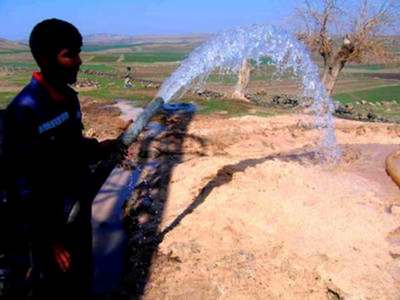
Groundwater can be an important resource for agricultural properties, particularly where irrigation is required for crops, gardens or other cultivated areas.
When planning a well for irrigation, we consider the size and characteristics of the property together with the intended water requirements and available information about local groundwater conditions.
Important planning factors can include:
• Size of the area to be irrigated
• Intended irrigation requirements
• Ground and geological conditions
• Potential water-bearing formations
• Expected well depth
• Casing requirements
• Pumping and water delivery requirements
• Accessibility of the property
The amount of water available from a well depends on local geological and groundwater conditions. For this reason, a specific water yield or depth cannot be guaranteed before the relevant conditions have been investigated.
Water Well Drilling for Private and Commercial Properties
Groundwater requirements can arise in many different types of properties. Private landowners may require a well for an agricultural property or garden, while businesses may need a suitable water source for their premises or land.
The drilling plan is developed around the characteristics and intended use of the property.
Site access is particularly important because drilling machinery requires sufficient space to enter, position itself and operate safely. The working area is therefore considered as part of the initial planning process.
Site Assessment Before Drilling
Before drilling work starts, the proposed location is assessed as thoroughly as practical.
The available information about the property, surrounding area and known groundwater conditions can be reviewed to help determine a suitable drilling location and working arrangement.
The preliminary assessment may include:
• Checking access to the property
• Identifying a suitable position for the drilling equipment
• Assessing available working space
• Reviewing information about existing nearby wells
• Considering known geological characteristics
• Evaluating practical site limitations
• Planning the general drilling approach
This preparation helps ensure that the drilling equipment and working method are appropriate for the location.
Monitoring During the Drilling Process
Once drilling begins, the actual ground conditions can provide important information about the subsurface environment.
Different soil, rock and geological layers may be encountered as drilling progresses. These conditions are monitored during the operation and can influence the technical approach.
Depending on the project, attention may be given to:
• Drilling depth
• Ground and rock formations encountered
• Well diameter
• Casing requirements
• Water-bearing layers
• General well construction requirements
The drilling process is therefore managed according to both the initial plan and the conditions encountered during the work.
Water Well Cleaning and Maintenance
Existing wells can lose performance over time. Sand, silt, mud, sediment and other deposits may accumulate at the bottom of the well or around sections where water enters the well.
These deposits can interfere with water flow and may contribute to reduced well performance.
DURPOM Drilling provides well cleaning and maintenance services intended to remove accumulated material where appropriate and help restore the well’s operating condition.
Well cleaning can be particularly worth investigating when:
• Water production has gradually decreased
• Sand or sediment is appearing in the water
• The well has not been maintained for a long period
• The well has accumulated deposits
• Water flow appears weaker than previously
• The pumping system is no longer performing as expected
A reduction in water output does not always mean that the well simply needs cleaning, however. Pump problems, groundwater-level changes and other technical factors can also affect performance.
How Is a Water Well Cleaned?
Every well has its own depth, diameter, casing arrangement and internal condition. The appropriate cleaning method therefore needs to be selected according to the individual well.
Before starting the work, we consider factors such as:
• Total well depth
• Casing diameter
• Existing water level
• Amount and type of sediment
• Current water flow
• Filter and intake sections
• Previous maintenance history
Depending on the condition of the well, suitable pumping, flushing or mechanical equipment may be used.
The objective is to loosen and remove accumulated material from the well and bring it to the surface in a controlled manner. Depending on the condition of the well, cleaning may require more than one stage.
Reasons for Reduced Well Performance
A decrease in water production can have several possible causes. Sediment accumulation is only one potential explanation.
Other factors may include:
• Sand or sediment accumulation
• Partial blockage of intake or filter sections
• Deposits inside the well
• Reduced pump performance
• Pump or equipment faults
• Changes in groundwater levels
• Technical problems affecting water flow
For this reason, the condition of the well should be assessed before deciding which maintenance procedure is appropriate.
Checking the Well After Cleaning
Following cleaning or maintenance, the well can be returned to operation and its performance assessed.
Water flow, pumping performance and the general operating condition can be checked to evaluate the results of the work. In some situations, additional cleaning may be required depending on the amount of accumulated material.
Regular inspection and appropriate maintenance can help maintain the operating condition of an existing water well, particularly when it has been used for an extended period.
Ground and Geological Assessment for Water Drilling
Understanding the geological characteristics of a drilling location is an important part of planning a groundwater project.
Different parts of Bursa can have varying combinations of soil, clay, sand, gravel, rock and other geological formations. Potential water-bearing layers may also occur at different depths and under different conditions.
Available geological and site information may therefore be considered when assessing a drilling location.
This can include:
• General soil and geological characteristics
• Permeable and less-permeable formations
• Known geological information for the area
• Existing wells in the surrounding region
• Previous drilling information
• Surface and terrain characteristics
• Potential groundwater-bearing formations
The purpose of this assessment is to improve planning and identify a technically suitable drilling location based on the information available.
Selecting a Drilling Location
Choosing where to drill is an important part of a water well project. The location needs to be considered not only from a groundwater perspective but also in terms of access and practical working conditions.
The drilling machine must be able to reach the site and operate safely. There must also be adequate space for positioning the equipment and carrying out the work.
Because groundwater conditions are underground and cannot be completely determined from the surface alone, no drilling method can guarantee a particular water depth or volume in advance. Site information and geological indicators can help with planning, but actual conditions are confirmed progressively during drilling.
Water Drilling Services Throughout Bursa
DURPOM Drilling provides water well drilling, well cleaning and related groundwater services in Bursa and its surrounding districts.
Because geological and groundwater conditions can vary considerably from one location to another, every project is considered according to its individual site characteristics.
Whether you need a new irrigation well for agricultural land, a water well for private property or maintenance for an existing well, our team can assess the project requirements and determine an appropriate approach.
Why Choose DURPOM Drilling?
Professional drilling requires more than simply operating drilling machinery. Careful preparation, appropriate equipment and continuous consideration of ground conditions are important throughout the project.
Our approach focuses on:
• Site-specific drilling planning
• Preliminary assessment of the working area
• Appropriate equipment selection
• Monitoring drilling progress
• Considering geological conditions encountered during drilling
• Well cleaning and maintenance
• Solutions for agricultural, private and commercial requirements
• Service throughout Bursa and surrounding districts
Contact DURPOM Drilling
If you are considering a water well for agricultural irrigation, private land or a commercial property in Bursa, the first step is to evaluate the site and understand the requirements of the project.
If you already have a well and have noticed reduced water flow, sediment accumulation or other performance problems, professional well inspection and cleaning may also be appropriate.
For information about water well drilling, groundwater projects, well cleaning or site assessment, contact DURPOM Drilling at +90 532 061 87 42.
drilling