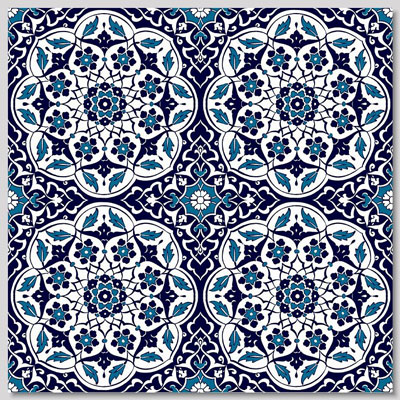



Kütahya Traditional Turkish Tile Art, Manufacturing, Sales & Installation
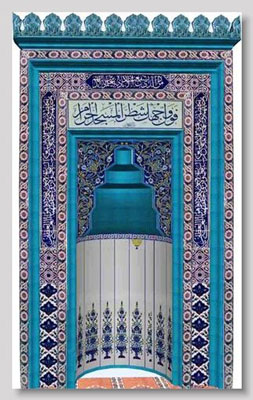
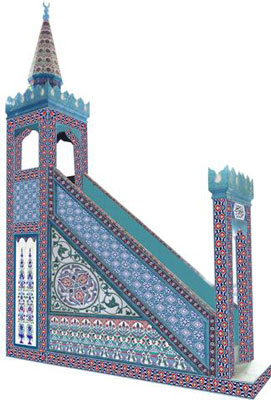
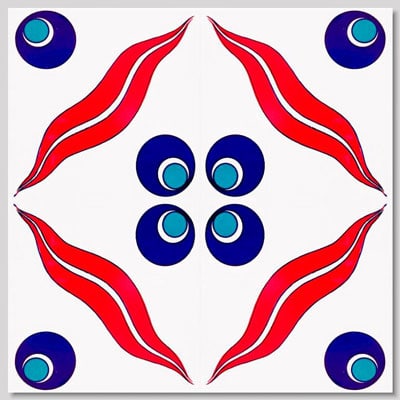
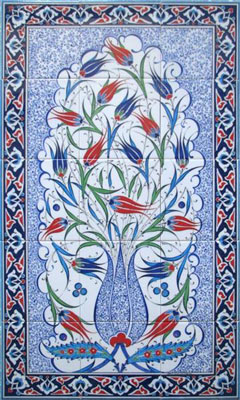
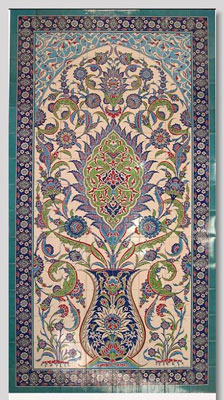
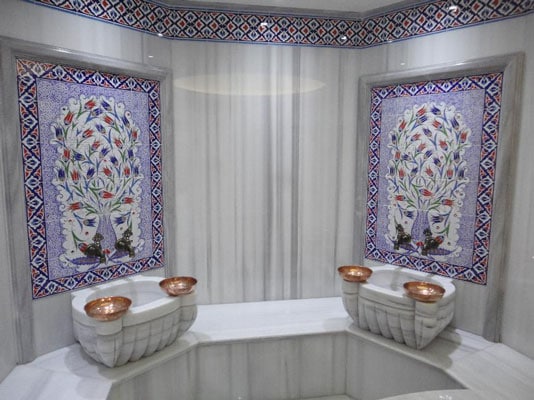
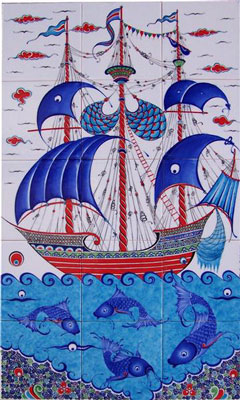
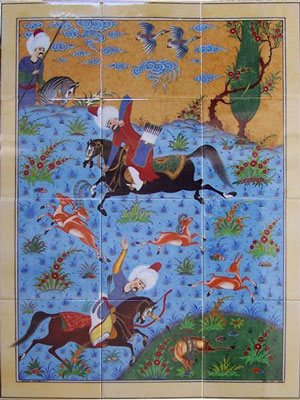
Handmade Ceramic Tiles for Architectural and Interior Decoration
Traditional Turkish tile art is one of the most distinctive forms of decorative ceramic art. Recognized for its detailed patterns, rich colors and carefully crafted compositions, Turkish tiles have been used for centuries to decorate important architectural structures.
Today, traditional tile designs continue to inspire modern interior architecture and decoration. Carefully produced tile pieces can be combined to create decorative wall surfaces, artistic panels, architectural details and customized interior applications.
We offer traditional tile manufacturing, tile sales and tile installation services, providing decorative solutions for residential, commercial and architectural projects.
From individual decorative pieces to larger compositions, every application can be planned according to the characteristics of the space, the desired pattern and the overall architectural concept.
What Is Traditional Turkish Tile Art?
Turkish tile art is a traditional decorative ceramic technique in which specially prepared ceramic surfaces are shaped, coated, decorated, glazed and fired at high temperatures.
The art developed significantly during the Seljuk and Ottoman periods and became an important part of Turkish architectural decoration. Tiles were extensively used in mosques, palaces, madrasas, tombs and other historic buildings.
Traditional floral motifs, geometric compositions and characteristic decorative patterns remain popular today, while contemporary interpretations allow tile art to be incorporated into modern architectural projects.
How Are Traditional Tiles Made?
Traditional tile manufacturing consists of several carefully controlled stages. The quality of the raw material, preparation of the ceramic body, surface treatment, decoration, glazing and firing all influence the final appearance and durability of the product.
A typical production process may include:
• Preparation of the ceramic body
• Shaping and forming
• Controlled drying
• Application of the engobe or undercoat
• First firing
• Surface preparation
• Pattern transfer
• Hand painting and decoration
• Glazing
• Final firing
• Finishing and quality inspection
The exact process can vary depending on the selected tile technique, design and intended application.
Preparing the Ceramic Body
The ceramic body used in traditional tile production is prepared from suitable natural and mineral-based materials.
Materials such as kaolin, silica or sand and other mineral components can be combined in appropriate proportions to create a workable ceramic mixture.
The prepared material is shaped according to the dimensions and design of the final product. Controlled drying is then carried out to help minimize deformation and cracking before subsequent production stages.
Engobe and First Firing
After drying, an appropriate light-colored coating or engobe can be applied to the ceramic surface. This creates a more uniform background and provides a suitable base for subsequent decorative work.
The prepared pieces are then fired at high temperatures. The first firing gives the ceramic body greater stability and prepares the surface for patterning and further decoration.
Firing temperature and duration depend on the composition of the material and the production technique.
Surface Preparation and Pattern Transfer
After the first firing, the surface can be carefully prepared to remove minor irregularities and create a smooth working area.
Traditional patterns may then be transferred onto the surface using prepared drawings, templates or other traditional methods.
Fine pencil outlines can be used to establish the composition before the individual elements are painted and decorated.
This stage requires precision because the arrangement of the pattern has a major influence on the appearance of the finished tile.
Traditional Tile Decoration Techniques
Different techniques have developed throughout the history of Turkish ceramic and tile art. Each technique creates a distinctive visual effect.
Mosaic Tile Technique
The mosaic tile technique involves combining individually shaped and colored ceramic pieces to create a larger decorative composition.
This method was particularly important in early architectural tile decoration and can be used to create geometric patterns, borders and complex ornamental surfaces.
Small pieces can be carefully arranged to form a unified decorative design.
Underglaze Painting Technique
Underglaze painting is one of the best-known techniques associated with traditional Turkish and Ottoman tile decoration.
In this method, patterns are painted onto the ceramic surface before the glazing process. The piece is subsequently glazed and fired, allowing the decorative design to become an integral part of the finished surface.
Floral compositions, leaves, traditional motifs and detailed ornamental patterns can be created using this technique.
Colored Glaze Technique
Colored glaze techniques use different glaze colors to create decorative compositions directly on the ceramic surface.
Contours and pattern boundaries can be carefully defined before the glazing and firing stages. After firing, the glazed surface develops its characteristic color, depth and decorative appearance.
Lustre and Metallic Decoration
Lustre or metallic decoration is used to create distinctive visual effects using materials that provide gold-, silver- or other metallic-looking finishes.
This type of decoration can add a refined and decorative character to selected tile surfaces and is particularly suitable for special artistic applications.
Traditional Turkish Tile Motifs
Motifs are one of the most recognizable elements of Turkish tile art. Traditional designs can be adapted to both historic-inspired and contemporary interiors.
Common decorative elements include:
• Tulip motifs
• Rose and carnation designs
• Leaves and floral branches
• Geometric patterns
• Rumi motifs
• Hatayi motifs
• Traditional borders
• Symmetrical compositions
• Ottoman-inspired decorative patterns
The combination of traditional motifs with contemporary colors, dimensions and architectural concepts allows tile applications to be adapted to modern spaces.
Tile Manufacturing for Architectural Projects
Custom tile applications can be developed for a wide variety of architectural and interior design projects.
Depending on the project, tiles can be used to create:
• Decorative wall panels
• Feature walls
• Interior architectural details
• Decorative niches
• Columns and architectural surfaces
• Entrance areas
• Restaurant and hotel interiors
• Residential interiors
• Cultural and artistic spaces
• Restoration projects
Large compositions can be planned according to wall dimensions and architectural details to create a balanced visual arrangement.
Traditional Tile Sales
Traditional tiles are available in different patterns, dimensions, colors and decorative styles.
When selecting tiles, several factors should be considered, including the dimensions of the installation area, the surface on which the tiles will be applied, the overall color palette and the architectural character of the space.
Individual decorative pieces can also be combined with larger tile compositions to create customized visual concepts.
Professional Tile Installation
Correct installation is an important part of a successful tile application. Even carefully manufactured tiles require appropriate surface preparation and accurate positioning to achieve a visually consistent result.
A professional installation process may include:
• Checking and preparing the installation surface
• Taking accurate measurements
• Planning the tile layout
• Positioning individual pieces
• Maintaining pattern continuity
• Installing the tiles using appropriate materials
• Adjusting joints and transitions
• Cleaning and finishing the completed surface
For large decorative panels and complex architectural compositions, detailed planning before installation helps maintain the continuity of the overall design.
Where Can Traditional Tiles Be Used?
Traditional Turkish tiles can be incorporated into many different types of spaces.
Typical applications include:
• Private residences
• Hotels and accommodation facilities
• Restaurants and cafés
• Mosques and religious buildings
• Cultural centers
• Historic building restoration
• Interior design projects
• Decorative wall panels
• Entrances and reception areas
• Decorative niches
• Columns and architectural elements
• Gardens and selected exterior areas
• Bespoke interior decoration projects
Traditional Art in Contemporary Interiors
Traditional tile art does not have to be limited to historical architecture.
Modern interior designers can combine traditional motifs with contemporary furniture, materials, lighting and architectural forms to create distinctive spaces.
A large decorative tile panel can become a visual focal point, while smaller tile details can be used to emphasize selected architectural elements.
The result is a balance between traditional craftsmanship and contemporary design.
The Importance of Handcraftsmanship
Handcraftsmanship plays an important role in traditional tile production. Pattern application, painting, decorative details and finishing work can require considerable precision and experience.
Although modern production equipment can support various stages of manufacturing, careful craftsmanship remains important for maintaining the artistic character of traditional tile products.
Every stage of production contributes to the appearance and character of the final piece.
Traditional Tile Art for Unique Spaces
Traditional Turkish tile art combines craftsmanship, decorative design and architectural heritage.
Through tile manufacturing, sales and professional installation, traditional patterns can be incorporated into both classic and contemporary environments.
Whether used as an individual decorative element, a wall panel or part of a larger architectural composition, carefully produced Turkish tiles can give a space a distinctive identity and artistic character.
ceramic tilegoldmosque suppliesturkish bathturkish ceramic tile