

Lehim Curufu | Solder Dross and Tin Scrap Recycling
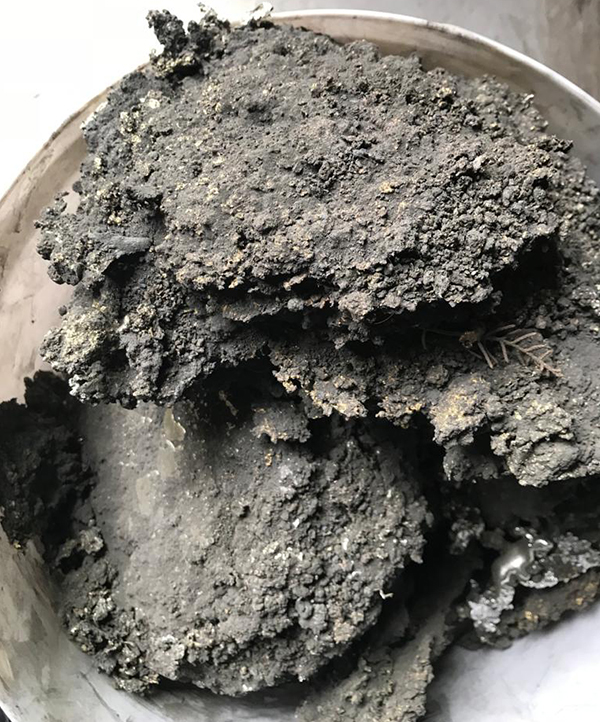
During the manufacturing of electrical and electronic components, particularly throughout printed circuit board (PCB) assembly and wave soldering operations, molten metal oxidation inevitably produces significant amounts of metallic dross and residue. Established in 2007, Lehim Curufu operates as a specialized recycling enterprise focusing on the recovery, valuation, and processing of leaded and lead-free solder dross generated across manufacturing facilities. As one of the pioneering entities in its sector, the enterprise provides end-to-end recovery solutions throughout Turkey, converting hazardous-prone industrial residues into valuable secondary raw materials.
Industrial solder residues typically fall into distinct metallurgical groups based on production requirements and environmental standards. The company manages intake and segregation across comprehensive scrap grades:
• Leaded Solder Dross: Waste residues typically containing approximately forty percent lead and sixty percent tin (40% Pb – 60% Sn), generated from conventional soldering lines.
• Lead-Free Solder Dross: Eco-compliant dross containing zero lead content and tin purities reaching up to 99.99% Sn, commonly known as high-grade tin dross.
• Solder Wire and Fluid Residues: Scrap solder wires, tin-rich residues, and liquid-state dross skimmings sourced directly from electronic assembly stations.
Accurate metallurgical evaluation forms the basis of the company’s valuation workflow. Incoming materials undergo immediate composition verification using modern X-ray fluorescence (XRF) spectrometry. This non-destructive testing method measures exact tin, lead, and trace metal percentages. Material pricing is calculated transparently based on current London Metal Exchange (LME) international market indices alongside prevailing currency exchange rates. Following batch verification, transactions are settled quickly through cash, wire transfer, or EFT options.
Regulatory compliance is integral to industrial scrap management. Electronic manufacturers handling solder dross can classify these by-products under non-hazardous waste frameworks, utilizing the waste catalog entry “10 08 09 – Other dross and skimmings” within non-ferrous thermal metallurgical classifications. Before preparing processed lots for secondary smelters and foundries, the company enforces thorough radiation inspections and precise chemical sorting protocols to guarantee strict feed material quality.
Logistics operations accommodate industrial clients regardless of volume constraints. Whether purchasing small parcels or high-volume enterprise consignments, Lehim Curufu coordinates dispatch through tailored collection vehicles or contracted freight lines across all regions of Turkey. Storage and handling operations are managed through strategically located storage hubs:
• Istanbul European Side: Bagcilar Warehouse
• Istanbul Asian Side: Umraniye Warehouse
• Kocaeli: Gebze Industrial Warehouse
• Ankara: Kahramankazan Logistics Warehouse
Demonstrating international circular economy integration, approximately ninety-five percent (95%) of the refined and categorized secondary materials are exported to global industrial markets. By diverting heavy electronic manufacturing waste away from landfills and lowering reliance on virgin ore extraction, the recovery process creates measurable financial returns for PCB producers while contributing directly to sustainable industrial metallurgy worldwide.
recycle